


What is the most durable material for rotational molds?
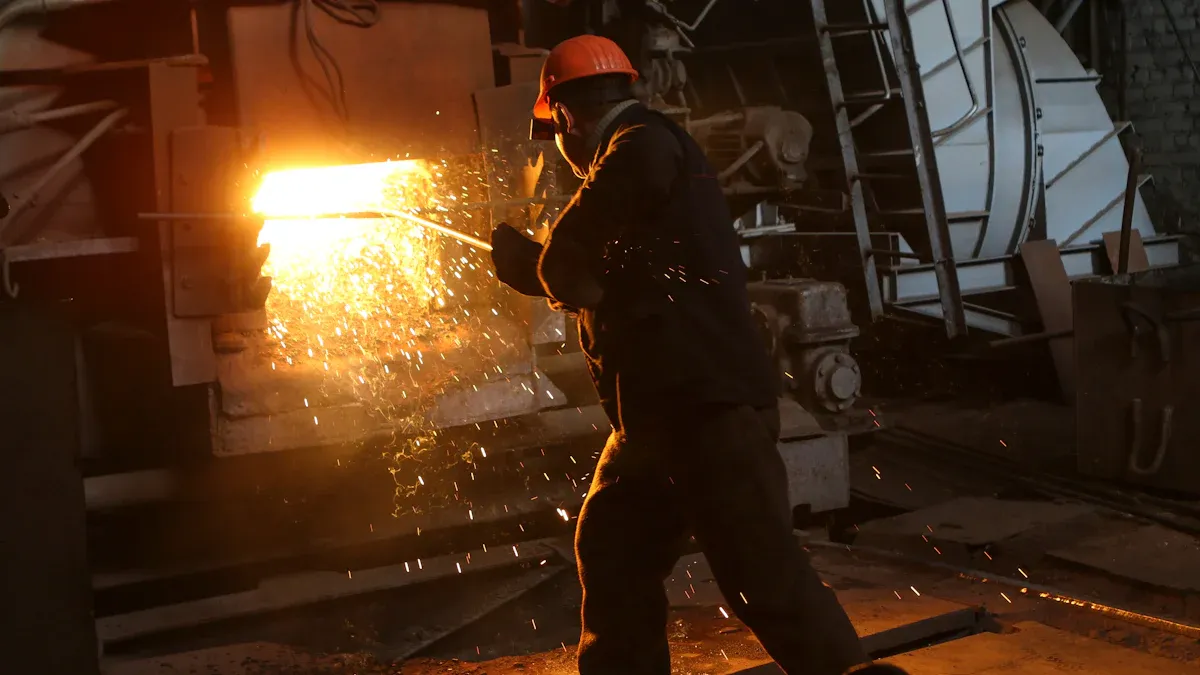
I see steel as the toughest choice for Rotational Molds. Steel’s strength and wear resistance stand out.Better removal of non-metallic inclusions boosts steel’s fatigue strength and product life. Improved purity in steel means fewer microcracks. I trust steel for lasting performance in demanding environments.
Key Takeaways
- Steel is the most durable material for rotational molds, offering high strength, wear resistance, and long life, making it ideal for large, high-volume projects.
- Aluminum and engineering resins provide lighter, cost-effective options for smaller runs but do not match steel's toughness or durability.
- Choosing the right mold material depends on the product, production volume, environmental exposure, and budget to ensure the best performance and value.
Comparing Top Materials for Rotational Molds
Steel Molds
I always look to steel when I need the highest durability in rotational molds. Steel molds handle repeated heating and cooling without losing shape or strength. I notice that steel resists wear and impact better than most other materials. This makes it perfect for high-volume production. I have seen steel molds last for thousands of cycles, even in tough environments. Steel also stands up well to chemicals and cleaning agents. When I want a mold that will last for years, I choose steel.
Tip: Steel molds often require more time and cost to manufacture, but their long lifespan can make them the best investment for large projects.
Aluminum Molds
Aluminum molds offer a lighter alternative to steel. I find them easier to handle and move around the shop. Aluminum heats up and cools down faster than steel, which can speed up production. However, aluminum does not match steel’s strength or wear resistance. I have noticed that aluminum molds can dent or scratch more easily. For small to medium production runs, aluminum molds work well. They also cost less to produce than steel molds.
| Feature | Steel Molds | Aluminum Molds |
|---|---|---|
| Weight | Heavy | Light |
| Heat Transfer | Moderate | Fast |
| Wear Resistance | High | Moderate |
| Cost | High | Moderate |
Cast Aluminum Molds
Cast aluminum molds give me another option for rotational molds. I like that cast aluminum allows for complex shapes and detailed designs. The casting process makes it possible to create molds with textured surfaces or special features. Cast aluminum molds are not as strong as steel, but they offer better durability than some other materials. I use cast aluminum molds when I need both detail and moderate strength. They work well for products that do not require the extreme toughness of steel.
Engineering Resins (ABS, Acetal)
Sometimes, I use engineering resins like ABS or acetal for rotational molds. These materials are much lighter than metals. They resist corrosion and some chemicals. However, they do not last as long as steel or aluminum. I find that engineering resins work best for short production runs or prototypes. They can warp or degrade under high heat or repeated use. I choose these materials when I need a quick, low-cost solution.
I have also seen studies on polyethylene composites used in rotational molds. When processed with melt compounding, these composites show much higher impact strength and tensile properties. For example, tensile strength at 10% fiber loading can be up to four times higher with melt compounding compared to dry blending. Polyethylene stands out in the market because of its durability, chemical resistance, and toughness. Many large tanks and containers use polyethylene for these reasons. The use of plastic powders in rotational molds helps protect products from corrosion, UV rays, and chemicals.
A closer look at performance data shows how material choices affect strength. For example, adding wood particles to recycled HDPE reduces tensile strength from 20 MPa (with no wood) to just 4 MPa at 30% wood content. Optimized molding parameters can help, but strength still drops by up to 17%. The way the material is processed and its structure play a big role in how durable the final product will be.
Note: I always match the mold material to the needs of the project. For the most durable and long-lasting rotational molds, I rely on steel. For lighter, less demanding jobs, aluminum or engineering resins can be a good fit.
Factors Affecting Durability in Rotational Molds
Environmental Exposure
I always pay close attention to the environment where I use rotational molds. Temperature swings, humidity, and sunlight can all affect how long a mold lasts. When I use molds outdoors or in factories with big temperature changes, I see more wear and tear. Sunlight, especially UV rays, can break down some plastics over time. I choose materials that can handle these conditions if I know the molds will face harsh weather or lots of sunlight.
Chemical Resistance
I often work with chemicals that can damage molds. Some cleaning agents, fuels, or even the products inside the molds can cause problems. To check how well a material stands up to chemicals, I look at test results from standards like ASTM D543 and GMW14334. These tests show how much a material changes after soaking in chemicals. They measure things like strength, hardness, and if the surface cracks or changes color. I always check these reports before picking a material for rotational molds that will face strong chemicals.
- Chemical resistance tests include:
- Immersion in chemicals at different temperatures and times
- Measuring changes in strength, weight, and appearance
- Using weathering tests to see how materials age
Application Requirements
Every project has its own needs. I look at what the mold will make and how often I will use it. For example, storage tanks make up about 38.6% of the market because they need high durability and chemical resistance. I also see that powder forms of materials are popular, holding around 80.4% of the market, because they process well and give good results. I match the material to the job, whether it is for toys, car parts, or big industrial containers.
| Application | Market Share | Key Requirement |
|---|---|---|
| Storage Tanks | 38.6% | Durability, Chemical Resistance |
| Powder Materials | 80.4% | Processing Efficiency |
I always choose materials for rotational molds based on where and how I will use them. This helps me get the best performance and longest life from my molds.
Choosing the Right Material for Rotational Molds
Assessing Project Needs
When I choose a material for rotational molds, I always start by looking at the project’s needs. I ask myself a few key questions:
- What product will the mold create?
- How many parts do I need to make?
- Will the mold face high heat, strong chemicals, or outdoor weather?
- Do I need fine details or special textures?
For example, if I plan to make thousands of parts, I pick a material that can handle many cycles, like steel. If I only need a few prototypes, I might use engineering resins or even try additive manufacturing. I also think about the size and shape of the mold. Some materials work better for large or complex designs. I match the material to the job so I get the best results.
Balancing Cost and Performance
I always balance cost and performance when I select materials for rotational molds. Sometimes, a cheaper material saves money at first but wears out quickly. Other times, a more expensive material lasts longer and saves money over time. I look at studies that compare costs for different mold-making methods. Here are some things I have learned:
- Selective Laser Sintering (SLS) with PA3200 GF can cut costs by over 80% compared to tool steel molds.
- Additive manufacturing (AM) works best for low to medium production runs. It reduces tooling costs by up to 80% and shortens lead times by half.
- For very high volumes, traditional injection molding (IM) with steel molds is still more cost-effective, even though the upfront cost is higher.
- AM materials cost more per unit, but the savings in tooling and setup make it a smart choice for small batches.
- Economic models show that material cost, equipment, and processing time all affect the final price.
I use these facts to help me decide. I always weigh the long-term value against the initial price. This way, I make sure my molds perform well and fit my budget.
I always choose steel when I need the most durable molds for high-volume jobs. I look at the environment, the product, and how many parts I need. If I have special needs, I talk with experts or manufacturers. Careful planning helps me get the best results every time.
FAQ
What is the main reason I choose steel for rotational molds?
I pick steel because it lasts the longest. Steel resists wear, heat, and chemicals better than other materials. I trust it for tough jobs.
Can I use aluminum molds for large production runs?
I use aluminum for small or medium runs. For big jobs, I pick steel. Aluminum wears out faster with heavy use.
How do I know which mold material fits my project?
- I look at:
- Product type
- Number of parts needed
- Exposure to heat or chemicals
- Budget
I match these needs to the right material.